The six-agent pipeline
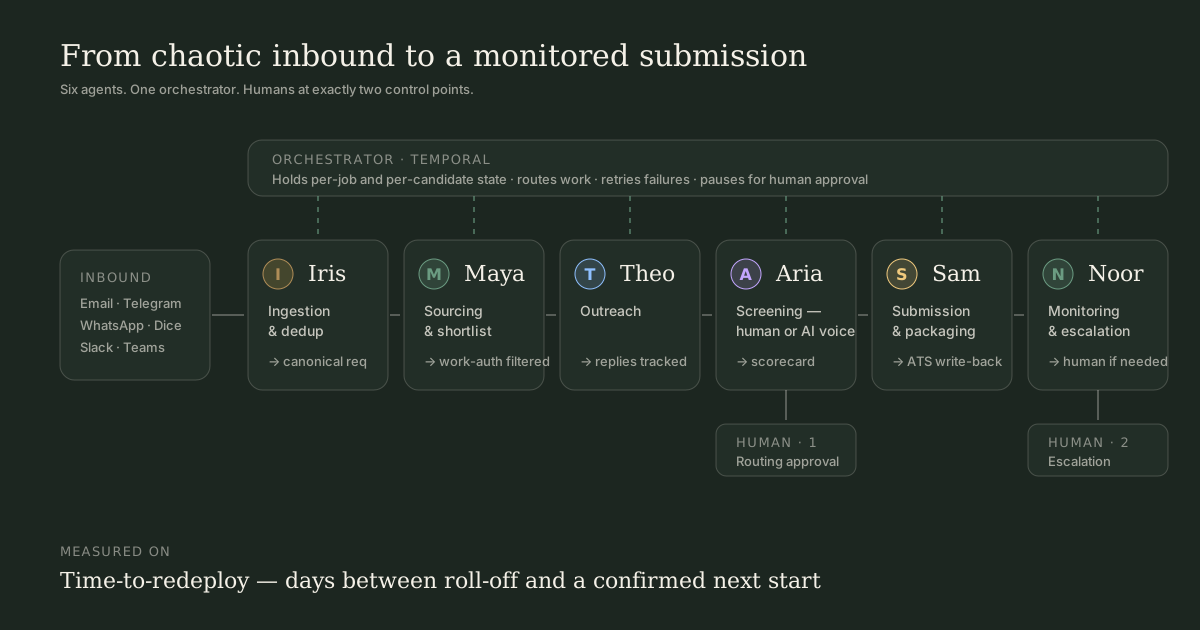
Each agent does one job and hands off through shared stores — they never call each other directly. Click any agent to see its inputs, outputs, and the systems it touches.
Iris
Collapses every vendor blast into a single canonical req. Duplicates become routes, never chased twice.
How candidates are matched
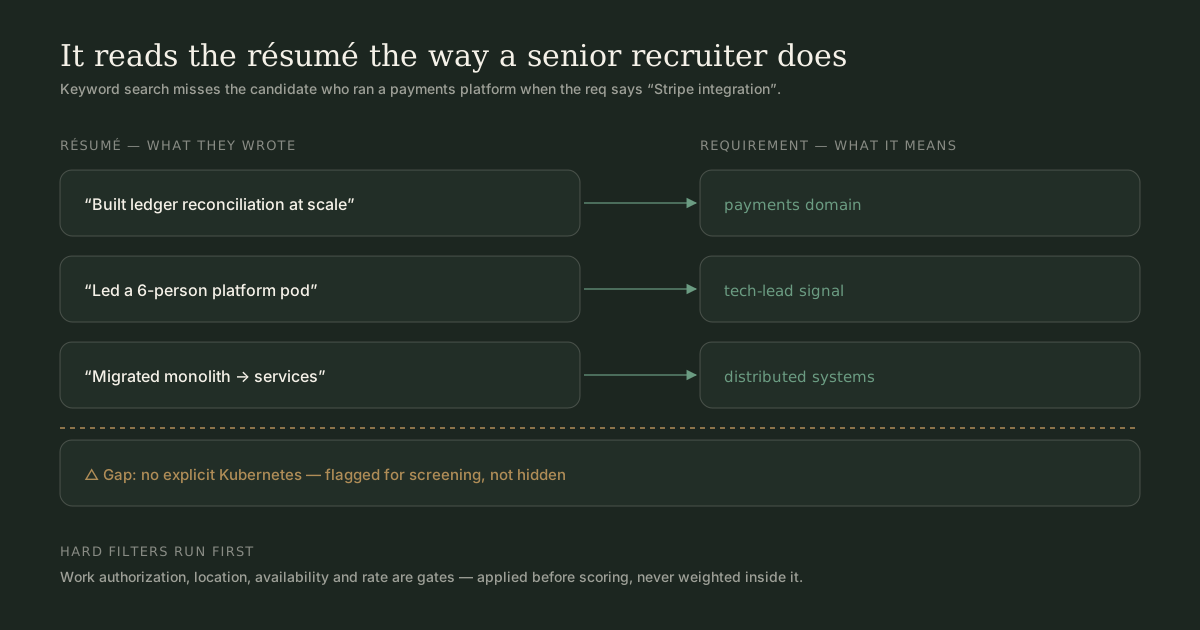
Matching is not keyword search. Deep Semantic Match embeds the résumé and the requirement and compares meaning, so a candidate whose relevance is structural rather than lexical still surfaces — and every score comes with the evidence behind it and the gaps it could not evidence. Hard filters like work authorization run before scoring, never as a weight inside it.
How candidates are screened and verified
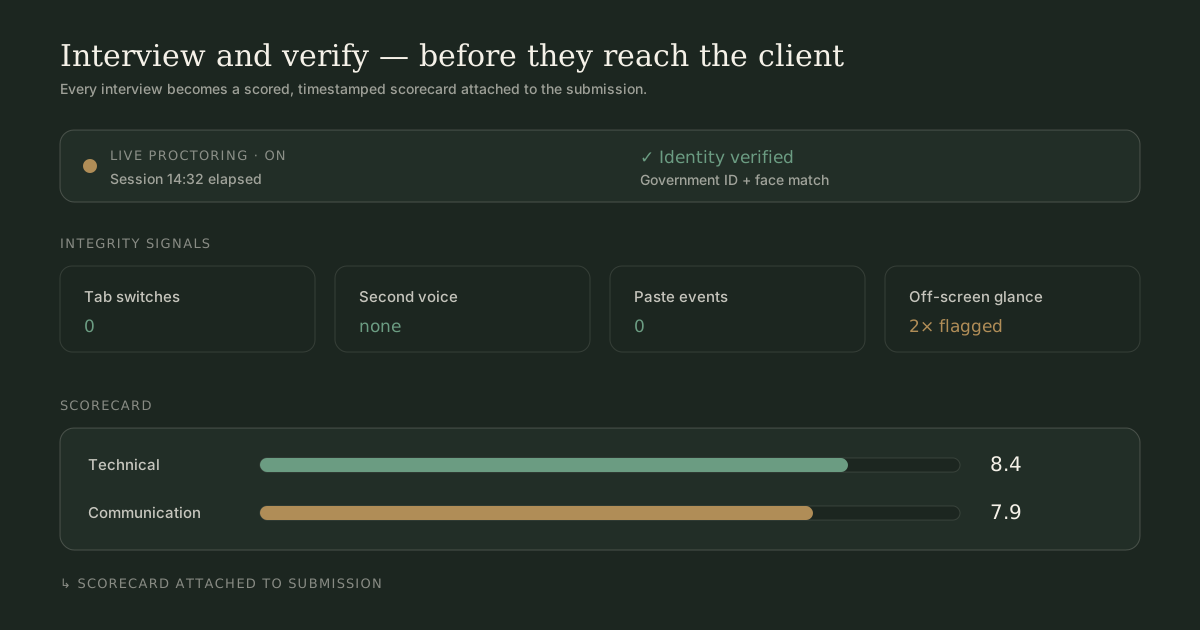
Aria can screen by AI voice call or hand off to a human recruiter, capturing rate, availability, and work authorization into the same structured scorecard either way. For roles that warrant it, an AI interview runs with live proctoring — identity verification, second-device and tab-switch detection, assistance flags — and the scored, timestamped scorecard is attached to the submission.
Where a human steps in
Automation handles the repetitive work end to end. People are pulled in at the two moments where judgment actually changes the outcome:
- Routing (Agent 4). A recruiter — or an AI voice screen — qualifies the candidate and decides how to route them.
- Escalation (Agent 6). Post-submission, anything sensitive is escalated to a human while routine threads are auto-handled.
Onboarding in four steps
- Connect your ATS. Link Bullhorn (via Merge.dev) so reqs and submissions sync both ways.
- Import your bench. Bring in your internal consultants so Sourcing can match them first.
- Point your inbound. Forward vendor email and chat sources so Ingestion can dedup into canonical reqs.
- Go live. Watch time-to-redeploy on day one, with a human in the loop at the two checkpoints.
Want to see it on your own reqs? Schedule a demo → or explore the live demo.